 Online Banking Login
Get Our App:


Earn 6.00% APY* on the first $1,000 and 1.50% APY* on balances above $1,000 with SmartStart Savings, for ages 0–17.

Earn guaranteed returns with a Share Certificate. Choose from short- and long-term options and put your money to work today.
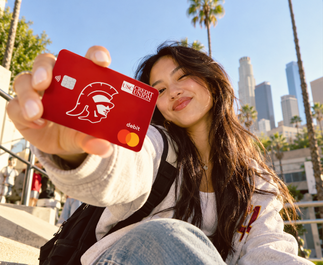
Made for students, CampusSpend Checking offers no monthly fee, convenient digital banking, and free to join.

Earn more as your balance grows with a Money Market Account, while keeping your money within reach.

Make your money work harder with Smart Yield, our high-yield savings account that keeps your funds within reach.

Earn 6.00% APY* on the first $1,000 and 1.50% APY* on balances above $1,000 with SmartStart Savings, for ages 0–17.
Earn guaranteed returns with a Share Certificate. Choose from short- and long-term options and put your money to work today.
Made for students, CampusSpend Checking offers no monthly fee, convenient digital banking, and free to join.
Earn more as your balance grows with a Money Market Account, while keeping your money within reach.
Make your money work harder with Smart Yield, our high-yield savings account that keeps your funds within reach.
Online Banking LoginGet Our App:


 Search

Get a free financial education on all things personal finance from credit scores and debt consolidation to saving and student loans.


Managing your money starts with knowing where to keep it. Checking and savings accounts are two common financial tools, but they serve different purposes. Whether you're paying everyday expenses, building an emergency fund, or saving for a future purchase, understanding how these accounts work can help you make informed financial decisions.
A checking account is designed for everyday transactions. It allows you to deposit money, make purchases with a debit card, pay bills, and manage regular expenses. Checking accounts typically provide convenient access to your funds through ATMs, online banking, and mobile banking. Some accounts also earn interest or dividends, depending on the financial institution and account type.
A savings account helps you set money aside for future needs while earning interest or dividends on eligible balances. Whether you're saving for an emergency, vacation, or major purchase, a savings account can help you build funds over time. Unlike checking accounts, savings accounts are generally intended for less frequent transactions, although funds can typically be accessed through online banking, ATMs, or transfers.
The main difference is how they're designed to be used.
Both accounts offer access to your money, but transaction options, interest rates, and withdrawal policies may differ.
Using both accounts can help you organize your finances. For example, you might deposit your paycheck into checking to cover rent, groceries, and other expenses. Then, transfer a portion into savings for emergencies or future goals. Setting up automatic transfers can help make saving a consistent habit.
Consider your spending habits, savings goals, and how frequently you'll need access to your money.
Yes. Many financial institutions, including USC Credit Union, allow eligible applicants to open accounts online. Requirements vary by account and financial institution.
Explore USC Credit Union's Checking Accounts and Savings Accounts to compare features and find options that fit your financial goals. Existing members can explore available accounts online or contact USC Credit Union for assistance. New members can review membership eligibility and apply online or visit a branch.
We provide the tools to build a smart financial future. Subscribe now!